
Date
•
Read time
Washington's AI Debate Won't Explain Your AI Use to a Client
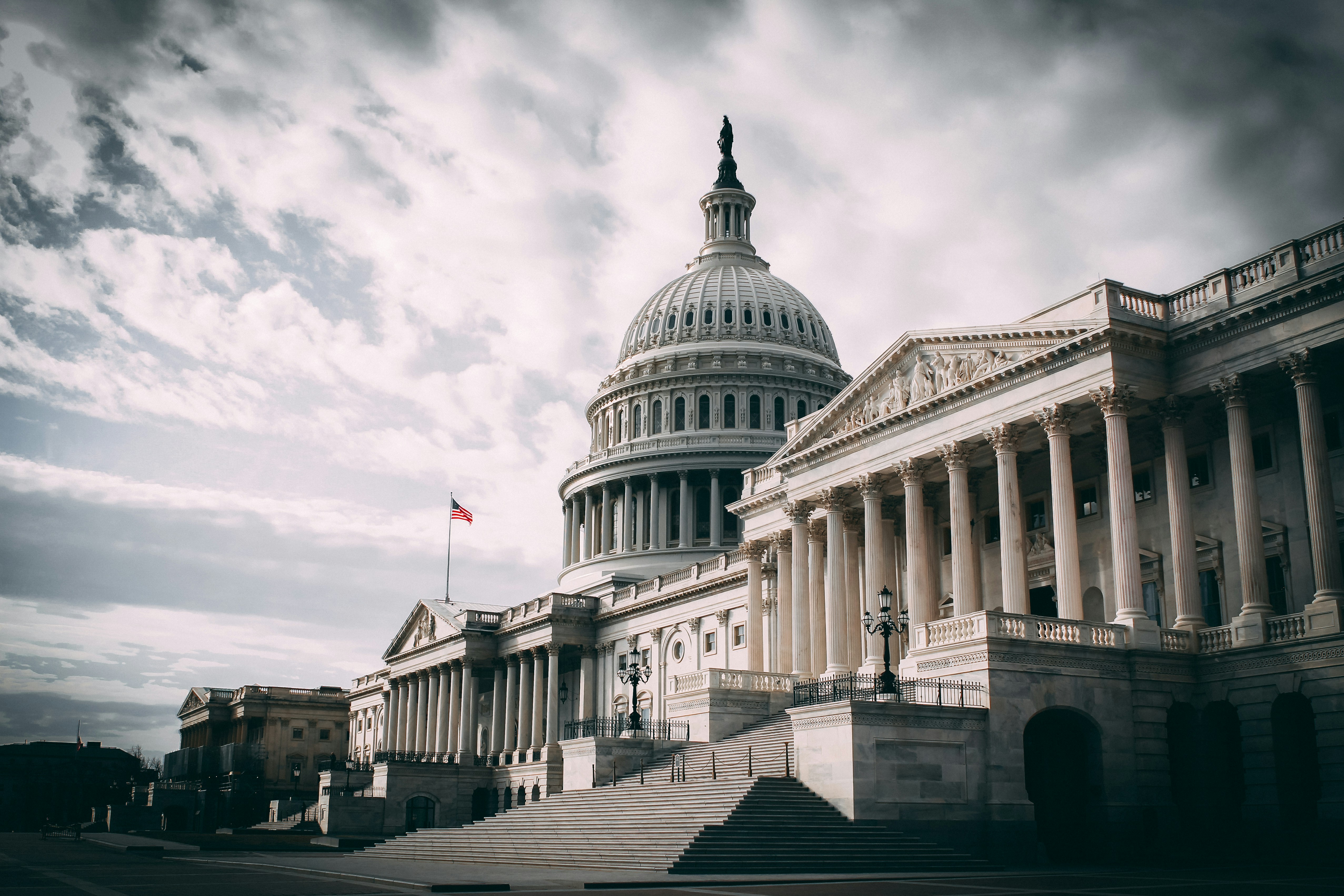
On 19 September, Donald Trump announced plans for a US "AI Force," modelled on the Space Force, along with a forthcoming AI "czar" tasked with protecting and advancing the American AI industry. In the same announcement, he dismissed the safety concerns raised by AI researchers and industry leaders as an overblown "hoax" (Axios, CNN, Al Jazeera, 19-20 September 2026). No detail was given on the new body's remit, its timeline, or who would run it.
It is tempting to read that as American politics and move on. For a UK agency or small business trying to use AI properly, though, it is worth sitting with what the story actually reveals. Even in the country building most of the world's frontier AI models, there is still no shared answer to a basic question: who is responsible for making sure AI gets used safely, and what does that responsibility actually involve day to day.
That gap is not confined to Washington. The EU AI Act, whatever else can be said about it, at least gives businesses an actual framework to work against: named obligations, named deadlines, and, since the Digital Omnibus reforms pushed some of the toughest dates back, a bit more breathing room than the original timeline allowed. It is not perfect, and its own timeline has shifted more than once this year. But it is a framework. The current US position, by contrast, was defined this week by a social media post rather than legislation, consultation, or guidance, and looks closer to a coin flip than a plan.
For agencies handling client work, the gap this exposes has very little to do with government at all. It is about who inside your own business actually owns AI governance, and whether that answer would hold up if a client, an auditor, or a new starter reading the staff handbook asked it out loud. Waiting for clarity from Westminster, Washington or Brussels before deciding how AI gets used responsibly is not a governance strategy. It is a delay dressed up as one, and it tends to unravel at exactly the moment it matters most: when something has already gone wrong and someone wants to know who was watching.
The businesses that handle this well are rarely the ones with the grandest plans. They are usually the ones that simply decided not to wait. When I ran the AI Accelerator Diagnostic and the follow-on training programme with The Turner Agency, a 36-person events and film agency, one of the six training sessions was not about tools, prompts, or productivity at all. It was about governance: who signs off on AI-assisted work before it reaches a client, what gets logged along the way, and what the agency actually does if a mistake slips through despite everyone's best intentions. That session did not need a finished EU regulation or a named US AI czar to be useful. It needed the agency to decide, on its own terms and at its own size, what "responsible" meant for the work they do every day.
That is the practical shift worth making now, regardless of what Washington announces next. Governance is not a document written once a regulator finishes theirs, filed away, and forgotten. It is a live, ordinary decision about who is watching the work, made by people who understand what the work actually involves. It can be built by a three-person studio as readily as a thirty-person agency, and it does not need to wait for the law to catch up with it first.
The AI Accelerator Diagnostic looks at exactly this question, alongside the five other dimensions that tend to decide whether AI adoption actually sticks: vision, opportunities, people and culture, tools and data, and value. Governance is rarely the reason a business first picks up the phone. It is almost always the dimension that turns out to matter most once the half-day conversation gets going, because it is the one nobody else is going to answer on your behalf, not this year and probably not next year either.
Go wisely.